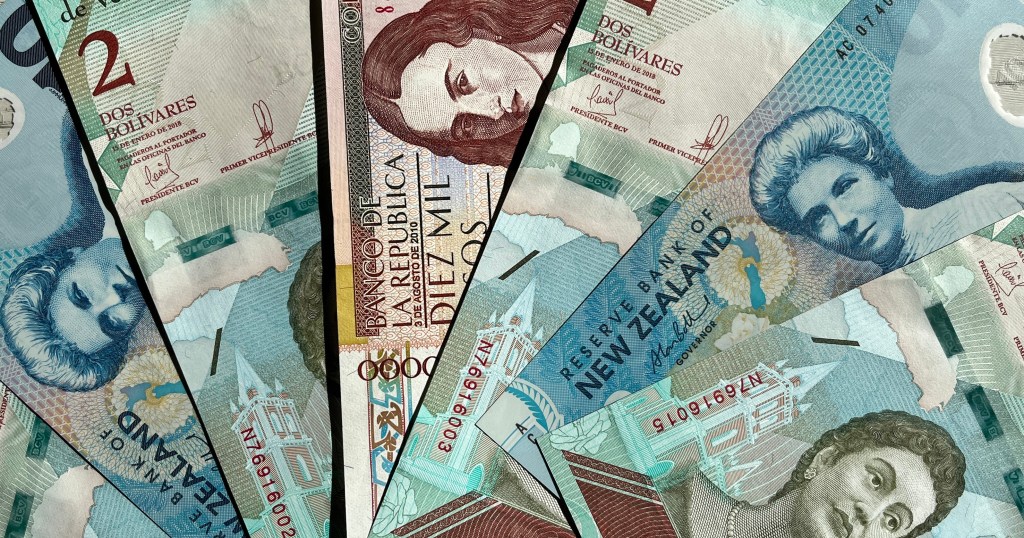
Earlier this month the world celebrated International Women’s Day (on March 8). The day recognized the achievements of women across social, political, economic, and cultural spectra. It also commemorated their fight for equality and liberation, which in many places continues today. As Women’s history month marches on, this post is dedicated to several women who had a profound impact on history. Their legacy not only defined the courses of their respective nations but also the world at large.
New Zealand 10 Dollars (1999 – 2013 Series)

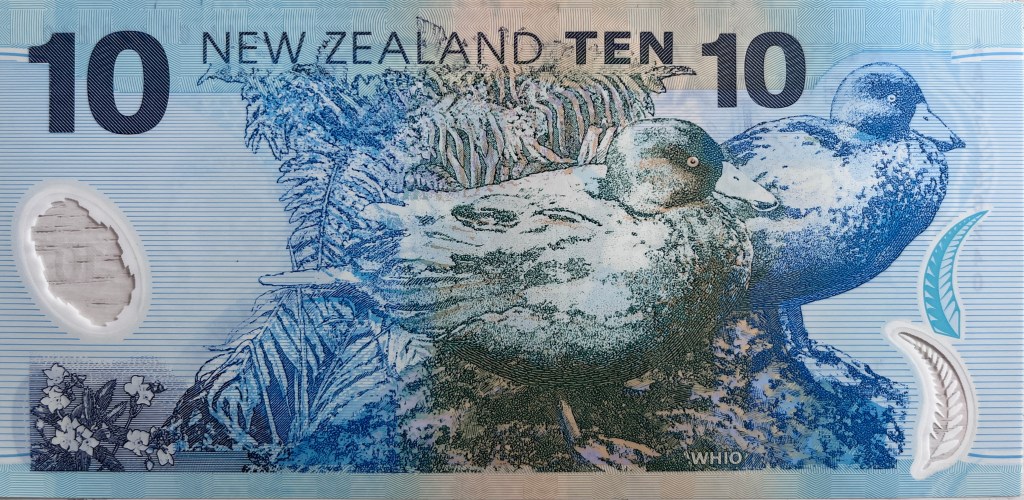
We start with Kate Sheppard (1847 – 1934), who became known around the world for leading New Zealand’s suffrage movement. Her efforts paved the way for New Zealand as the first nation to grant women the right to vote in 1893. Kate was raised and educated in the United Kingdom and moved to New Zealand at the age of 21. It was there that her activist flame was ignited. She was influenced by the speeches of Mary Leavitt, who promoted women’s voices in public affairs and on topics such as temperance (of alcohol consumption) and suffrage.
Kate developed a voice of her own and advocated for inclusion of women in political matters. She also promoted their rights, particularly that of voting. By petitioning New Zealand’s Parliament she eventually succeeded in having it grant women full voting rights. The influence of this development spread to other countries throughout Europe and to the United States.
In 1895, Kate founded The White Ribbon, the first woman-owned and operated newspaper in New Zealand, and served as its editor. The platform enabled her to further advocate and promote women’s rights. The following year, she also founded the National Council of Women of New Zealand and served as its first president. The organization is still active today.
Her activist spirit endured throughout her lifetime and she contributed to the fight for women’s equality in her native England as well. She is considered one of the most influential women in history, and her achievements are commemorated in New Zealand’s culture. The $10 Kiwi note bears her portrait (having replaced that of Queen Elizabeth II as of 1991). The featured note is a polymer. In 1999, New Zealand became the second country to convert its banknotes from paper material to plastic, after Australia.
Colombia 10000 Pesos (2010 Series)
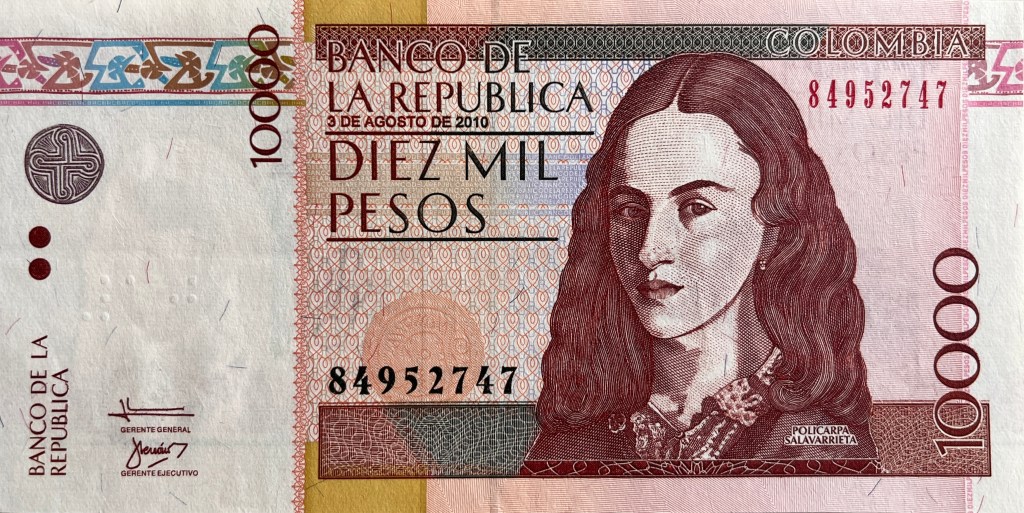
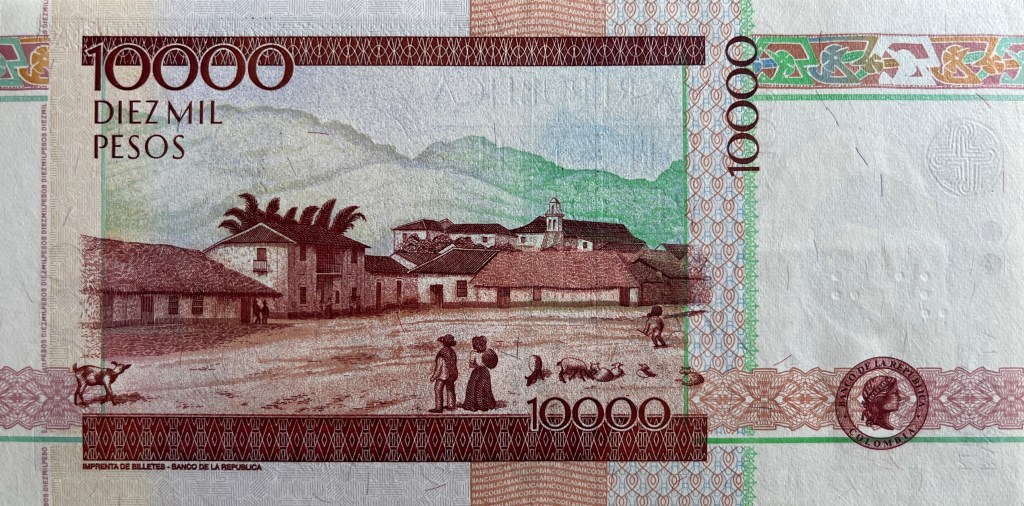
A seamstress by trade and revolutionary by nature, Policarpa Salavarrieta played a key role in Colombia’s independence movement from Spain. It is believed that she was born in Guaduas, Colombia between 1791 – 1796. Much information about her life, including place of birth and the year, is subject to discussion. Her legal name is also a topic of debate due to lack of official documentation. What is known however, is that she was a patriot and dedicated her life to the fight for independence.
As seamstress, she gained access into homes of Royalists (or those who backed Spain), and was privy to conversations about their strategies in the Spanish American wars. She would then pass along this valuable information to revolutionaries. She also informed them about the identities of those suspected of being patriots, a crime punishable by execution. Eventually she was found out, captured and imprisoned, and ultimately condemned to death for treason against the Spanish Crown. On the day of her execution by firing squad on November 14, 1817, she vociferously spoke out against Spain and prophesied the empire’s imminent demise. Two years later in 1819, the prophesy turned into reality and Colombia officially became an independent nation. It was the first country in South America to do so.
Today, Salavarrieta is recognized as one of the most prominent patriot women in Colombia’s war for independence. Her spirit is immortalized as the subject of countless poems, plays, and other cultural icons throughout Colombia. She also appeared on stamps and currency as is the case with this Colombian 10000 Pesos note. The note is made of paper material. In 2016, the Central Bank of Colombia issued a new series, but Salavarrieta was no longer on the 10000 note.
Venezuela 2 Sovereign Bolivares (2018 Series)


Josefa Camejo (1791 – 1862), is another example of a female Latin American freedom fighter. She became involved in Venezuela’s War for Independence (from Spain), at the tender age of 20. Her uncle, who served as the secretary of a Patriotic Society, greatly influenced Josefa’s education. He inculcated in her a hunger for the nation’s independence.
Josefa played a critical role in the Revolution of Paraguaná in the province of Coro, a region that remained under Spanish control until 1821. This was ten years after Venezuela officially declared its independence from Spain in 1811. It wasn’t until that year, that Josefa’s revolt finally led to the liberation of the city and province of Coro. On May 3, 1821, she read the manifesto declaring the province (today known as Falcón), as independent.
Like Policarpa Salavarrieta, Josefa Camejo too has become immortalized for her heroism in the fight for her nation’s independence. In 2022, she was inducted into Venezuela’s National Pantheon, the final resting place for national heroes. Unlike Salavarrieta who died at 22, Josefa was neither captured nor executed by her enemies and lived to the age of 71.
Today, several cultural institutions bear her name and she also appears on Venezuela’s 2 Sovereign Bolívares banknote. The note is made of paper material and is the lowest denomination in the 2018 series.
The Sovereign Bolivar notes were issued as part of a redenomination of currency in the government’s effort to fight hyperinflation. The effort was not very successful and the acceptance of Sovereign Bolívares was repudiated, thereby rendering the 2 note worthless. Unfortunately, Venezuela’s currency remains one of the world’s most volatile due to hyperinflation and economic instability.

 The Paper Money Guy