
Stars have been among us as long as the universe has been around. Whether they speckle our galaxy or shine bright in storybooks, stars possess a mystical power that inspires us to dream. Most people can relate to having wished upon a lucky star at some point. Certainly in their childhood and some even as adults. The iconic figure is recognized as a symbol of positive sentiment. It exists not only in our physical world but also in our cultural zeitgeist.
Similar to this phenomenon, the world of banknotes too is riddled with stars, more commonly occurring as Star Notes. Like their celestial cousins, Star Notes have celebrity status among currency and are highly coveted by collectors. Their values can ascend to dizzying heights, some even fetching five or six figures.
What is a Star Note?
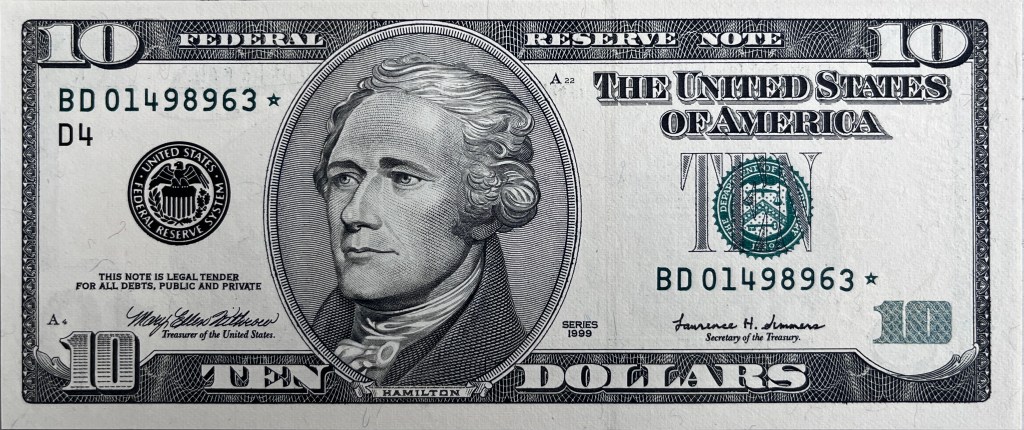
Star Notes are replacement banknotes for error notes and are marked by a star in their serial number. This is their only distinction from regular notes. When currency printing errors occur and are detected, the notes or sheets in question are pulled and destroyed. There are many types of errors that can impact the printing process. As a result, Star Notes are created as a contingency to these potential errors. Unique to each banknote is its serial number, and no two notes can have the same number.

How long have they been around?
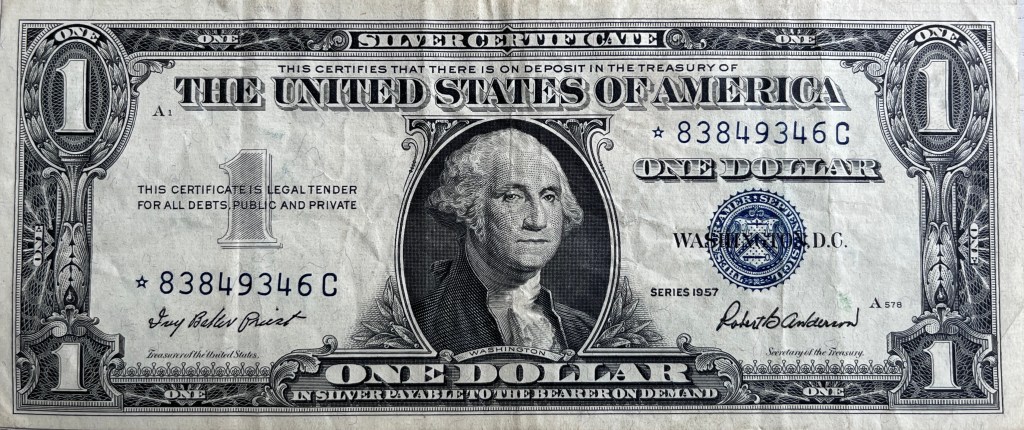
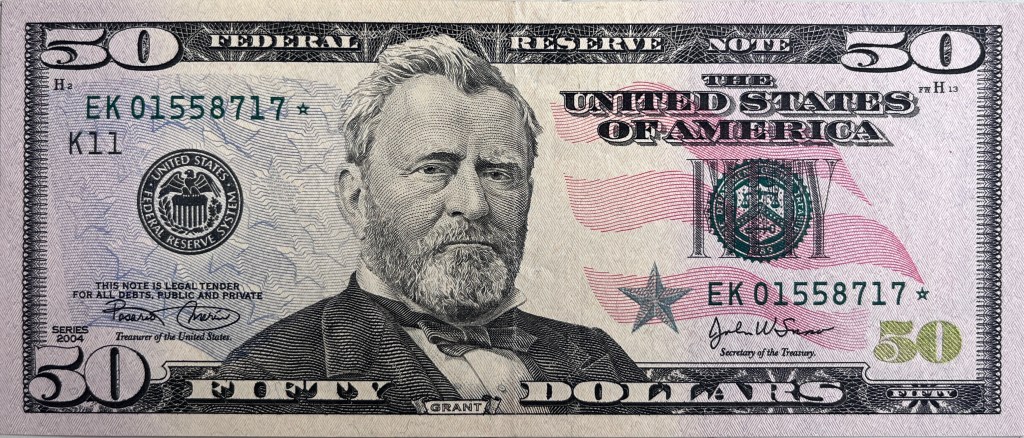
The date of the first use of Star Notes is somewhat debatable. Some believe the year was 1869 while other reports account for 1910. Since then, stars have come in various colors corresponding with different eras and types of notes issued (i.e. Federal Reserve Notes, United States Notes, Legal Tender Notes, Silver or Gold Certificates). The stars are always consistent with the colors of the serial numbers. They have included red, blue, gold or orange, brown and different shades of green (primarily light and dark). Since the 1970s, stars have been positioned following a note’s serial number. Before that, the stars preceded serial numbers.

Who else uses them?
Aside from the the United States, there are other countries that use or have used stars on their replacement banknotes. These include Australia, Canada, and India. Canada’s symbol is more of an asterisk however.
Are they collectible?
To collectors, Star Notes offer a fun type of banknotes to pursue due to their rarity making them highly collectible. To non-collectors, the fun may be in scanning your cash to see if you encounter one along the way. Although Star Notes are replacements for imperfect notes, they too can be erroneous at times. There have been such cases which only makes them even more desirable. When it comes to the value of a note, the more rare or unique it is, the higher its value. The note’s condition factors in as well when assessing the value.
Can Star Notes have errors?
In 2014 and 2016, the Bureau of Engraving and Printing issued the same request to two separate printing facilities, by mistake. The facilities were in Washington DC and Fort Worth, TX. As a result, 6.4 million $1 Star Notes were released into circulation with duplicate serial numbers. This was a big error on the part of the BEP. Since then, collectors have been on the hunt for these notes. Some aim to pair up the duplicate notes whose values can reach upwards of six figures (as a pair). This is an extreme case however. A dedicated effort called Project 2013B is devoted to locating the duplicate serial Star Notes. For information on values of every day or non-duplicate serial number Star Notes, see here.
How do I know if I have any $1 2013 Star Notes?
First, grab your cash! Next, set aside your $1 bills and check the Federal Reserve district seal for a letter “B”. The seal is located above the serial number on the left-hand side. The “B” denotes that it’s from the New York Federal Reserve Bank, the bank that released the duplicate notes. Then check for a star following the serial number. If you see one, then you can join the Project 2013B hunt. Good luck and may your lucky star shine upon you!


