
-
The Pride of Banknotes: Lions Featured on Money
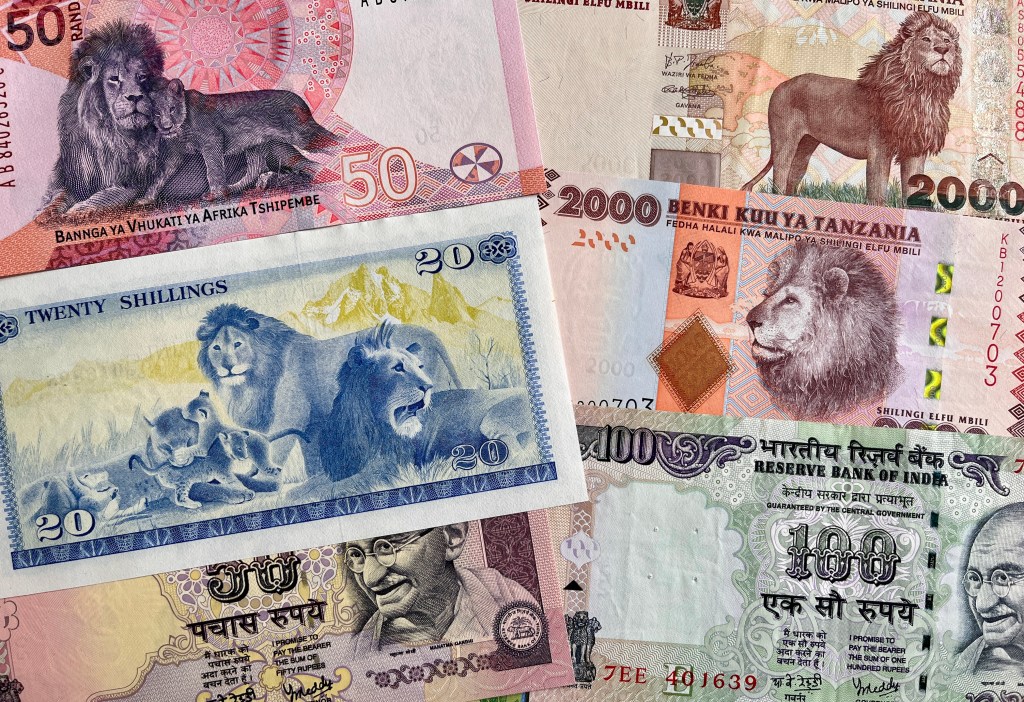
There are many cool themes, icons and depictions on banknotes that can grab a collector’s attention. Some of these subjects feature various persons, such as presidents or heads of state. Subjects also include flora and fauna, geographic locations, landscapes, and many others. Among the more prominent categories are flora and fauna, particularly in countries where…
-
A Revolutionary Bill and Figure: Cuba’s 3 Peso Note
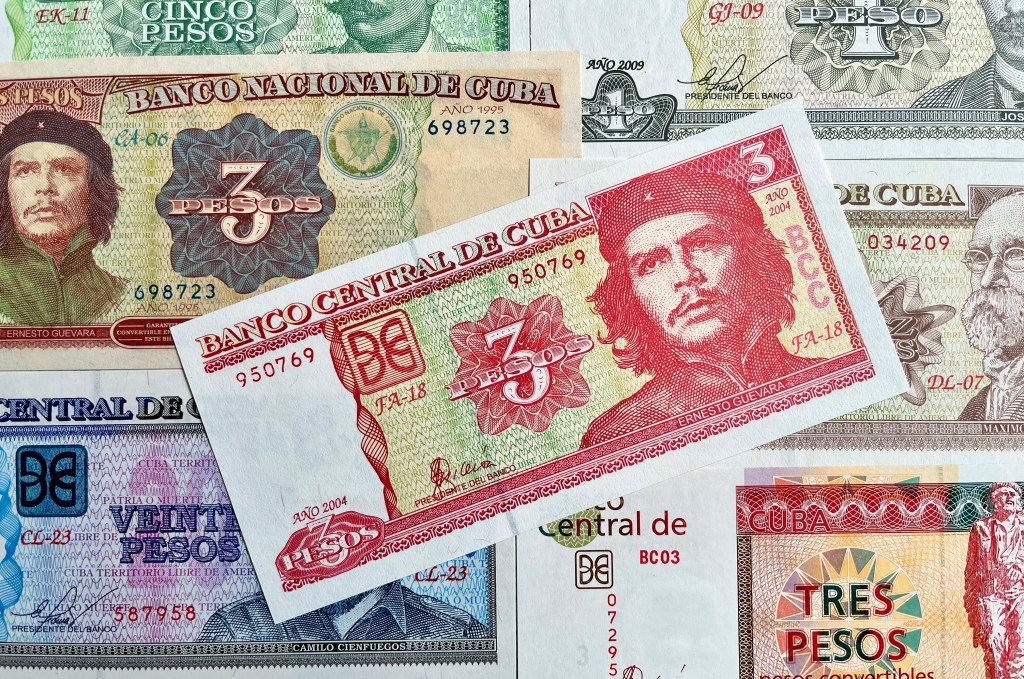
The Peso (CUP), is Cuba’s national currency and has been circulating within the island nation since 1857 in various forms. Cuba, like many other Caribbean islands and nearby Central American nations have indelible links to Spain manifested in culture, language and monetary policy. As a result, the Peso is quite ubiquitous within the Latin world…
-
Malaysia Knows How to Bring it! The 1 Ringgit Note in Paper & Plastic
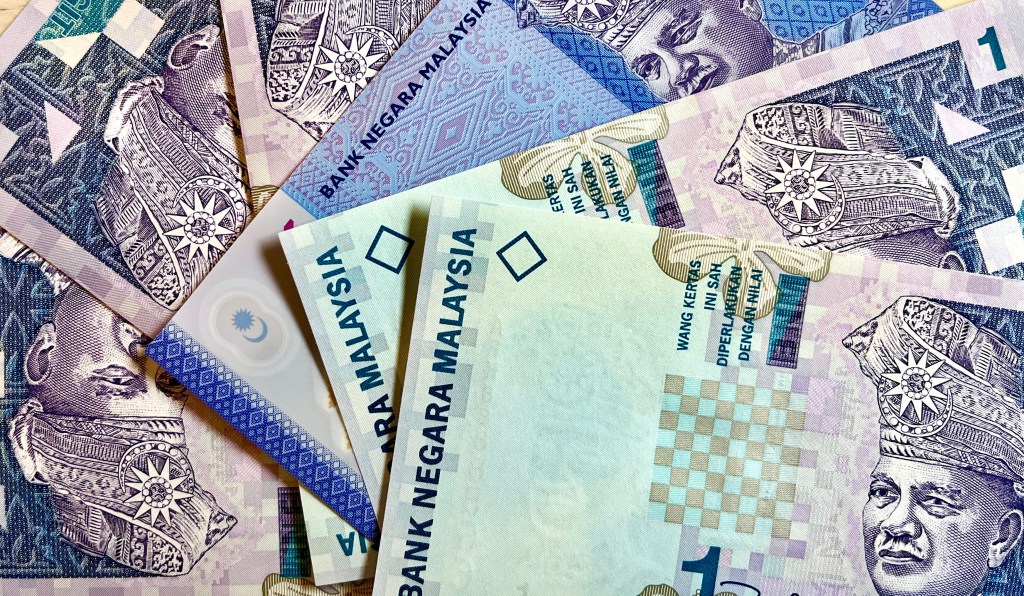
The Ringgit (MYR), is the official currency of Malaysia. Its name translates to “serrated edge” and was used to refer to Spanish coins with characteristic jagged edges that circulated in the Philippines some 200+ years ago. The term “ringgit” has been around for centuries. It became the national currency in 1967 as it replaced the…
-
Living the “Pura Vida”: Costa Rica’s 10000 Colónes Note
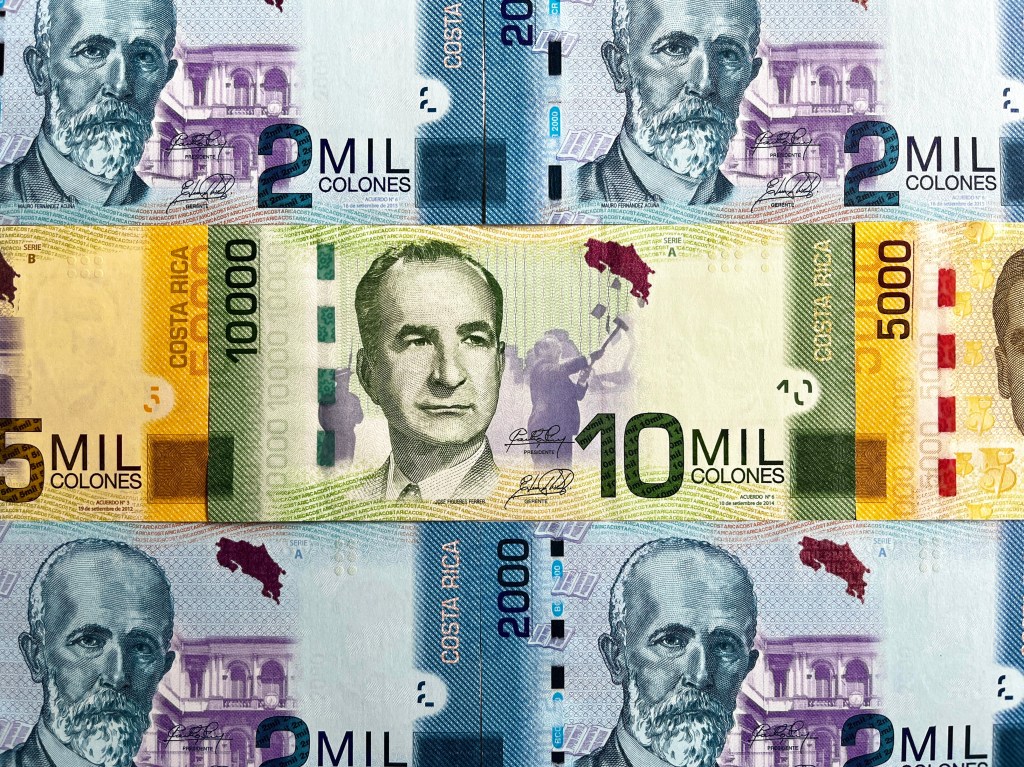
The Colón (CRC), has served as Costa Rica’s national currency since 1896 after it replaced the Peso, the previous currency more closely related to Spanish reales symbolic of the colonial era. However, the word Colón translates to Columbus (in reference to the explorer), who reached Costa Rica in 1502, therefore preserving an everlasting link to…
-
Here’s Looking at You, Dirham: Morocco’s 200 Banknote
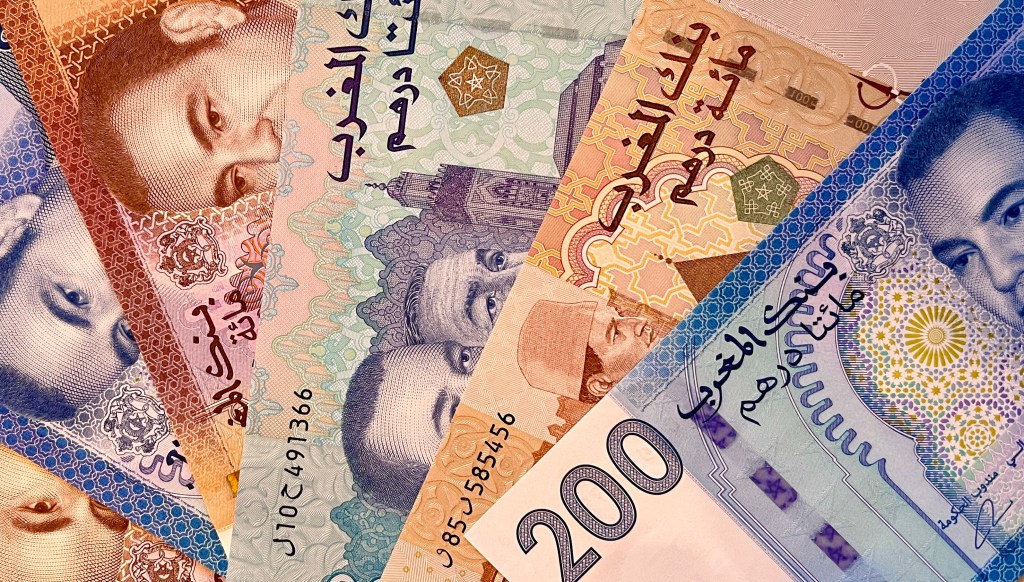
The Dirham (MAD) is the national currency of Morocco. Its first appearance was in form of coins between the 8th – 10th centuries, followed by its second coming as coins and also banknotes as of the 20th century, more specifically 1960. That year marked Morocco’s independence following a period of nearly 50 years during which…
The Paper Money Guy
Information about banknotes derived from the passion of collecting world paper money
Africa art Asia bank banknotes beach BEP birds books Caribbean collecting Colombia communist Curaçao currency dollars Dutch economy Europe food France guilder history hummingbird independence island Malaysia money nature nectar New Zealand notaphilist numismatics peso photography pilot politics polymer series Sint Maarten Spain tower travel turtle watermark
Proudly powered by WordPress

