
The world of banknotes is rich in its offerings for collectors and poses a plethora of choices when it comes to building a collection. Legal tender notes are most commonly sought after however other types can also factor in, such as play or funny money, movie set notes, replica notes and specimen notes, to name a few. The focus for this post is Specimens and is illustrated by several such notes from a few countries around the world.
Cape Verde 500 Escudos Obverse (Specimen)

Cape Verde 500 Escudos Reverse (Specimen)
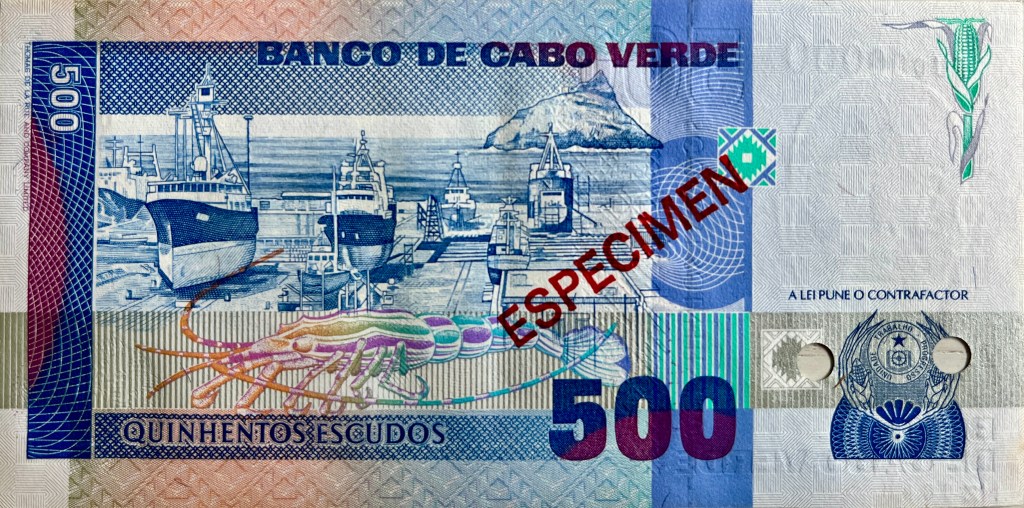
Specimen notes are not legal tender, they have no face value and cannot be utilized towards purchases. They are created for educational purposes to inform banking and government employees, officials and consumers about new notes imminently entering into circulation. Governments working in tandem with central banks and currency issuing authorities tend to release new banknote series every so often (at times several years apart and sometimes even decades apart). This practice not only refreshes the appearance of currencies with new designs but also allows new materials, tech and security features to be integrated into the latest series. Specimen notes therefore usher in these new series and provide a preview of what is soon to come. Some issuing authorities will print a larger quantity of specimens with the intention of appealing to collectors.
Dominican Republic 500 Pesos Obverse (Specimen)

Dominican Republic 500 Pesos Reverse (Specimen)

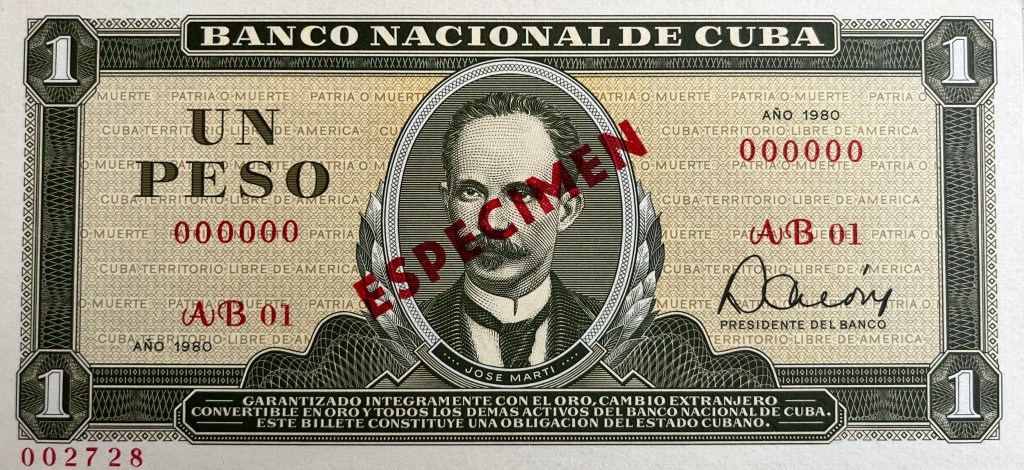
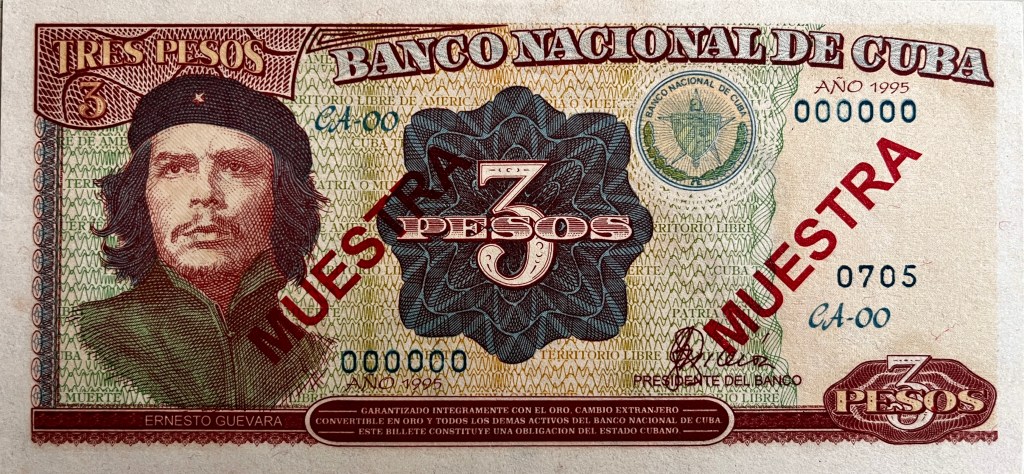
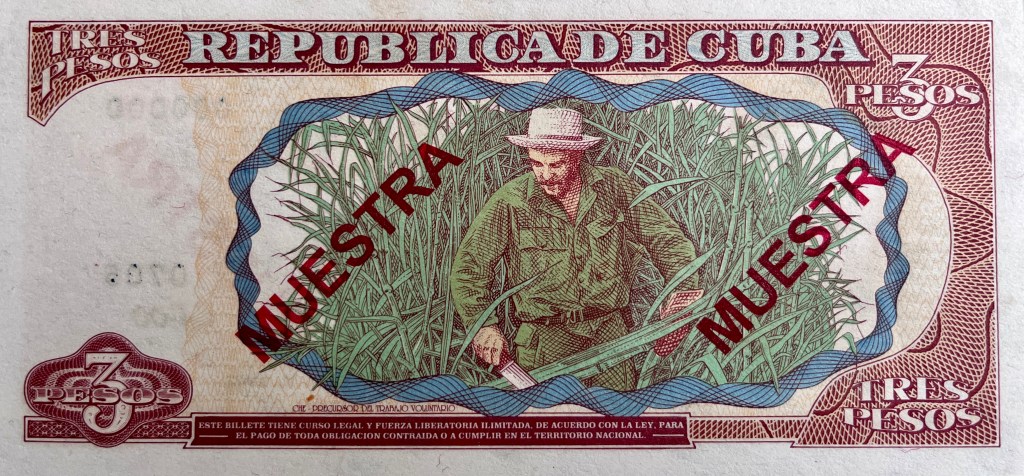
Despite their worthless standing in the face of legal tender, specimens nonetheless have an appeal to collectors for their rarity and distortions. Although they are created from the same materials as real notes and bear the same features to mirror their legal tender counterparts, a few distinctive markers exist on specimen notes as a way to discern their true identity. Such markers include the labeling of the word SPECIMEN across both faces of the notes (primarily in English and other languages in bold red letters), the serial number reflected as a series of 0s, and occasionally punctured circular holes (two or more). A combination of either two or three of these attributes are characteristic of specimen notes.
Cuba 1 Peso Obverse (Specimen)
Cuba 1 Peso Reverse (Specimen)

Cuba 3 Pesos Obverse (Specimen)
Cuba 3 Pesos Reverse (Specimen)
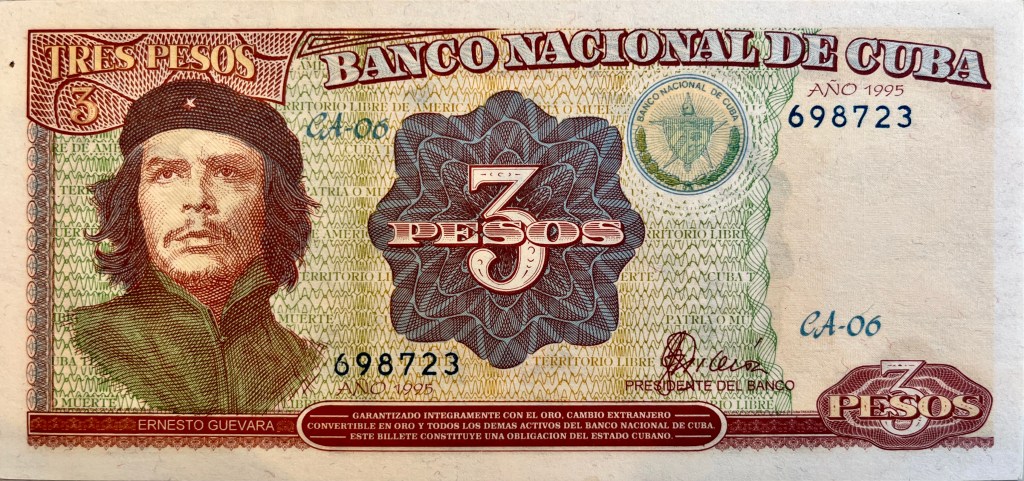
The Real Deal : Cuba 3 Pesos Note

My Two Cents
Real or not, specimen notes serve a real purpose in education and recognition of new notes soon to be introduced into circulation. They also serve a real interest to many collectors who pursue them with the same fervor as for their real counterparts. Given the myriad ways one can go about building a banknote collection, incorporating specimens can add a new dimension and serve as fun. Many are available for purchase online from various e-marketplaces (eBay being one), while others can be purchased directly from some central banks around the world.

 The Paper Money Guy
6 responses to “Specimen Banknotes : To Be or Not to Be (Real).. That is the Question”
Hello Alex. Once again you surprise and educate me. I’ve never seen a specimen bank note so you’ll have to show me one at Christmas. How do you find the time to research and publish this? Well done!
James
LikeLiked by 1 person
Will have a few to share, James. Thanks as always for keeping up with the latest post! As a lifelong passion, my interest in notes was always evolving.. and when you’re doing things you like, time translates into fun.
LikeLike
Thanks for your article. Also, read my concept notes on Banknotes from my blog website.
LikeLiked by 1 person
Thanks Bibek for your thoughts and checking out TPMG! Will take a peek at your concept notes article.
LikeLiked by 1 person
What is TPMG?
LikeLiked by 1 person
The Paper Money Guy : )
LikeLike